The gap no one
talks about.

Disease doesn’t hit everyone equally. It hunts farm workers first.

Occupational Healthcare prevents, detects, and treats conditions caused by work. It’s how we catch diseases that hit farm workers.


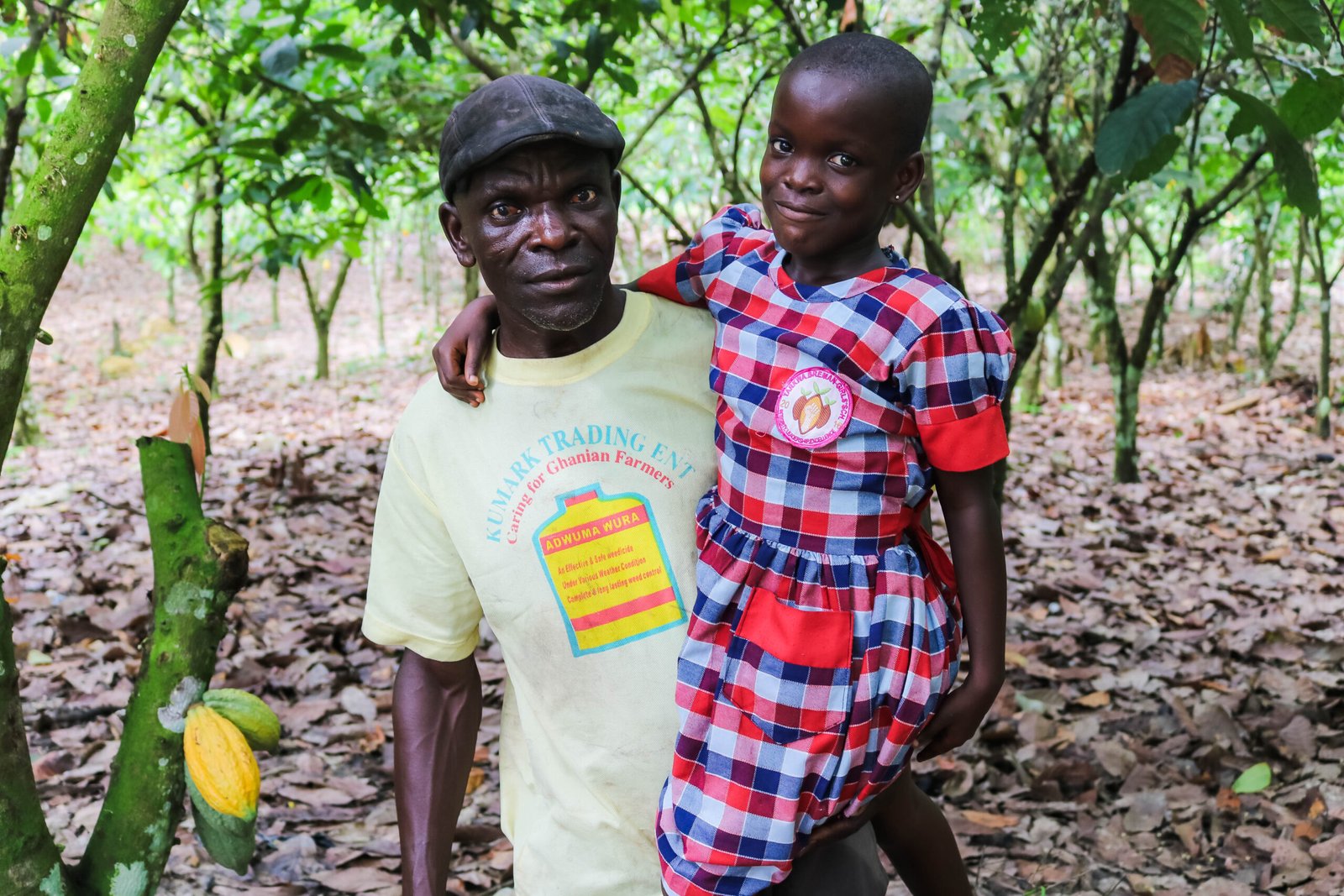
Africa’s 300 million farm workers feed the world while holding the line where 75% of pandemics start. They face pesticides, heat, dust, and pathogens daily—exposures that kill them, steal their children’s brains, and seed the next outbreak.

Concentra and WorkCare deliver occupational healthcare to farm workers in the U.S. and Europe. Africa’s frontline fights unarmed.
THE DAMAGE IS ALREADY HAPPENING

It starts with the children
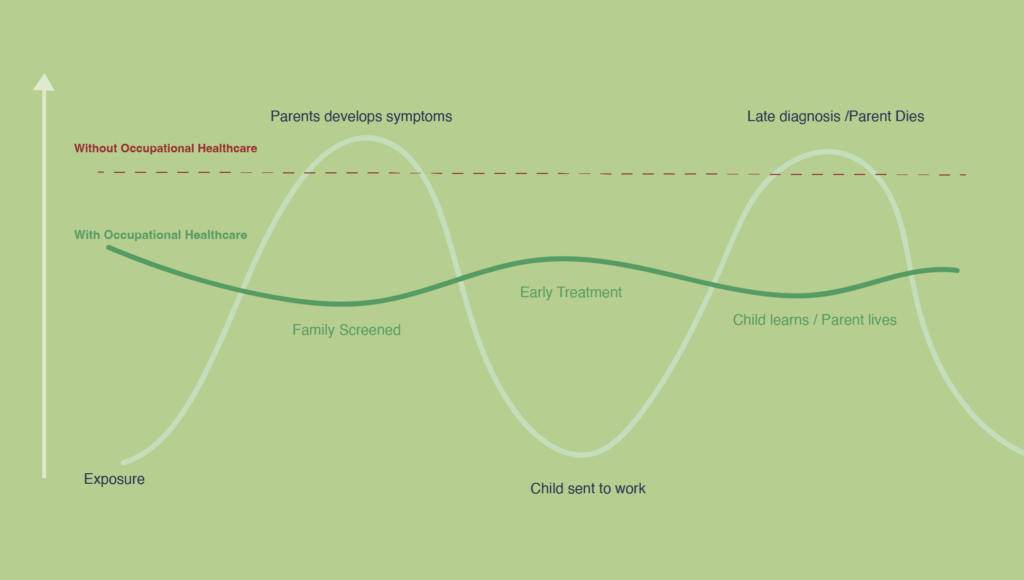
Pesticides don’t just poison farm workers—they steal their children’s futures first. Neurotoxic exposures damage developing brains, turning sharp students into struggling ones. The learning loss is invisible. The cause is never diagnosed.
01 lungs heart 350

Then it takes the parents

By the time a farm worker is diagnosed with occupational cancer or kidney failure, their children have already lost years of cognitive potential. Sick parents send children to work. The cycle repeats.
breathinganim

The detection gap

Standard clinics treat malaria and infections—not the conditions farming causes. No occupational healthcare. No screening. No early detection. No verification that protection is working.

These workers are already doing heroic work. They deserve their armor.

ff3ts5kade

Visual

THE WINDOW IS CLOSING

The next outbreak looms. The lawsuits are coming. The question is whether Africa’s workforce and employers will be equipped when they arrive.

Legal

U.S. farm workers have received $16 billion in cancer settlements. In 2021, seven chocolate companies were sued for child labor.

Regulatory

EU directives now require companies to address health harms in their supply chains. Accountability is coming.

Climate

Heat exposures are escalating. Chronic kidney disease is spreading globally.
WHY SCHOOLS

WHY SCHOOLS

Schools see families regularly—children daily, parents monthly. Teachers notice when a sharp child becomes slow.
We train them to become Health Guides, to detect early signs of exposure harm, connect families to occupational healthcare protocols, and track treatment completion.
We’ve been doing this for a decade. Proven in 8 communities in Ghana. Now deploying Africa-wide.

school animated gif 4

THE EVIDENCE

What agricultural work does to unequipped families.

Citation

Rauh et al. (2011), Environmental Health Perspectives
Bouchard et al. (2011), Environmental Health Perspectives
González-Alzaga et al. (2014), Neurotoxicology

Finding

Prenatal chlorpyrifos exposure linked to lower IQ and working memory deficits at age 7
Organophosphate metabolites in pregnant women associated with 7-point IQ deficit in children
Systematic review: 26 of 27 studies show negative neurodevelopmental effects from organophosphate exposure

Citation

Johnson et al. (2019), New England Journal of Medicine
Wesseling et al. (2020), Pan American Journal of Public Health
WessGarcía-Trabanino et al. (2015), Environmental Research

Finding

Chronic kidney disease of unknown cause in agricultural communities linked to heat stress and dehydration
Mesoamerican nephropathy primarily driven by occupational heat stress in sugarcane workers
Cross-shift kidney function decline in sugarcane workers correlated with heat exposure and dehydration

Citation

Fathallah (2010), Journal of Agromedicine
Osborne et al. (2012), American Journal of Industrial Medicine
ILO (2018), Safety and Health in Agriculture

Finding

Farming ranks among highest-risk occupations for musculoskeletal disorders; stooped labor causes 3x higher low back injury rates
Farm workers have significantly elevated rates of osteoarthritis in hips, knees, and spine
Agriculture accounts for 170,000 occupational deaths annually; MSK disorders are leading cause of disability

Citation

Grimm (2014), Journal of Health Economics
ILO (2020), Global Estimates of Child Labour
Edmonds & Theoharides (2021), Handbook of Labor Economics

Finding

Parental health shocks—especially maternal illness—reduce child school enrollment by 7 percentage points
Agriculture accounts for 70% of child labor; sick parents primary driver of children entering hazardous work
Child labor depresses wages, education, and health—creating intergenerational poverty traps

Citation

Schenker et al. (2009), American Journal of Respiratory and Critical Care Medicine
Blair & Freeman (2009), Journal of Agromedicine
IARC (2017), Monograph 112

Finding

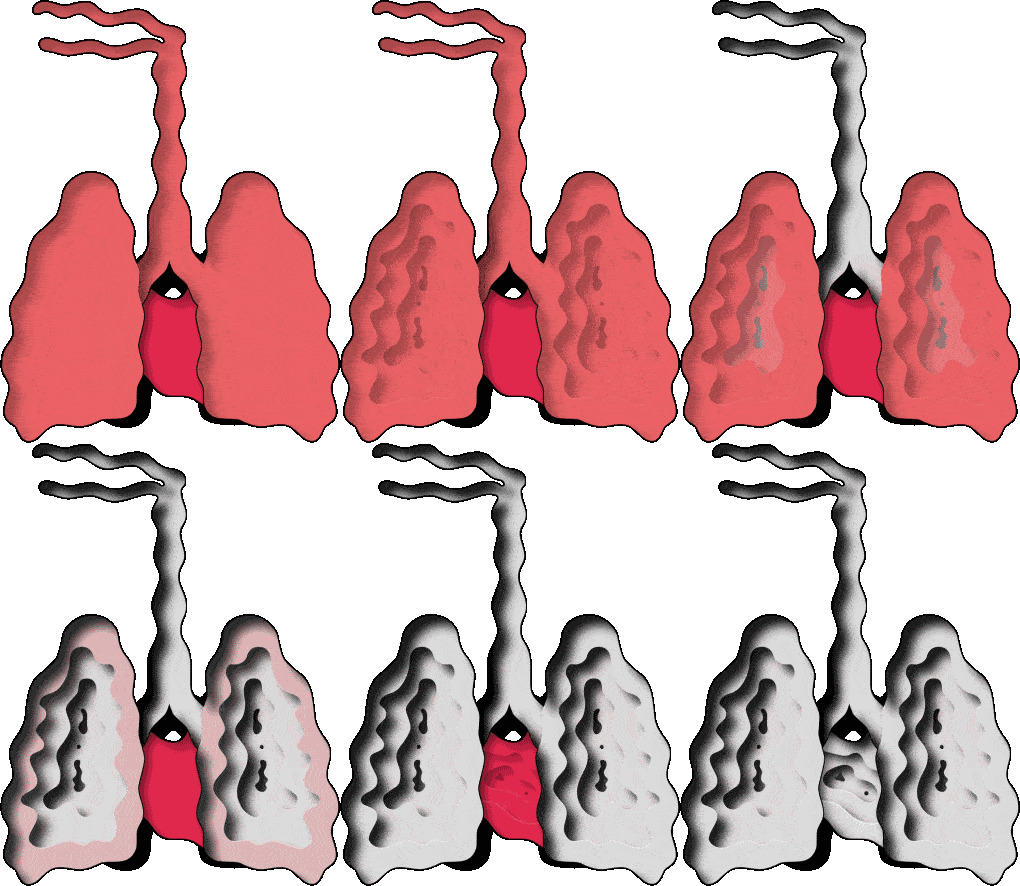
Autopsy study: 32% of farmworkers had pneumoconiosis vs. 8% of non-farmworkers
Pesticide applicators face elevated cancer risks despite lower smoking rates
Glyphosate classified as “probably carcinogenic to humans” based on agricultural exposure studies

Citation

Butler-Dawson et al. (2016), Neurotoxicology
Dobbins et al. (2022), Neurotoxicology and Teratology
Curl et al. (2015), Environmental Health Perspectives

Finding

Children of agricultural workers show deficits in learning potential compared to non-agricultural peers
Farmworker children show lower cognitive scores on WISC-V verbal and visual-spatial indices
Organophosphate exposure associated with cognitive deficits persisting from childhood into adolescence

Children shouldn't lose their futures. Parents shouldn't lose their lives.

Africa’s farm workers are already feeding and shielding the world. FarmerHealth arms them with the occupational healthcare they need to do it safely.
Scroll to Top